
Wildlife Watching Code
Jersey Kayak Adventures Wildlife Watching Code
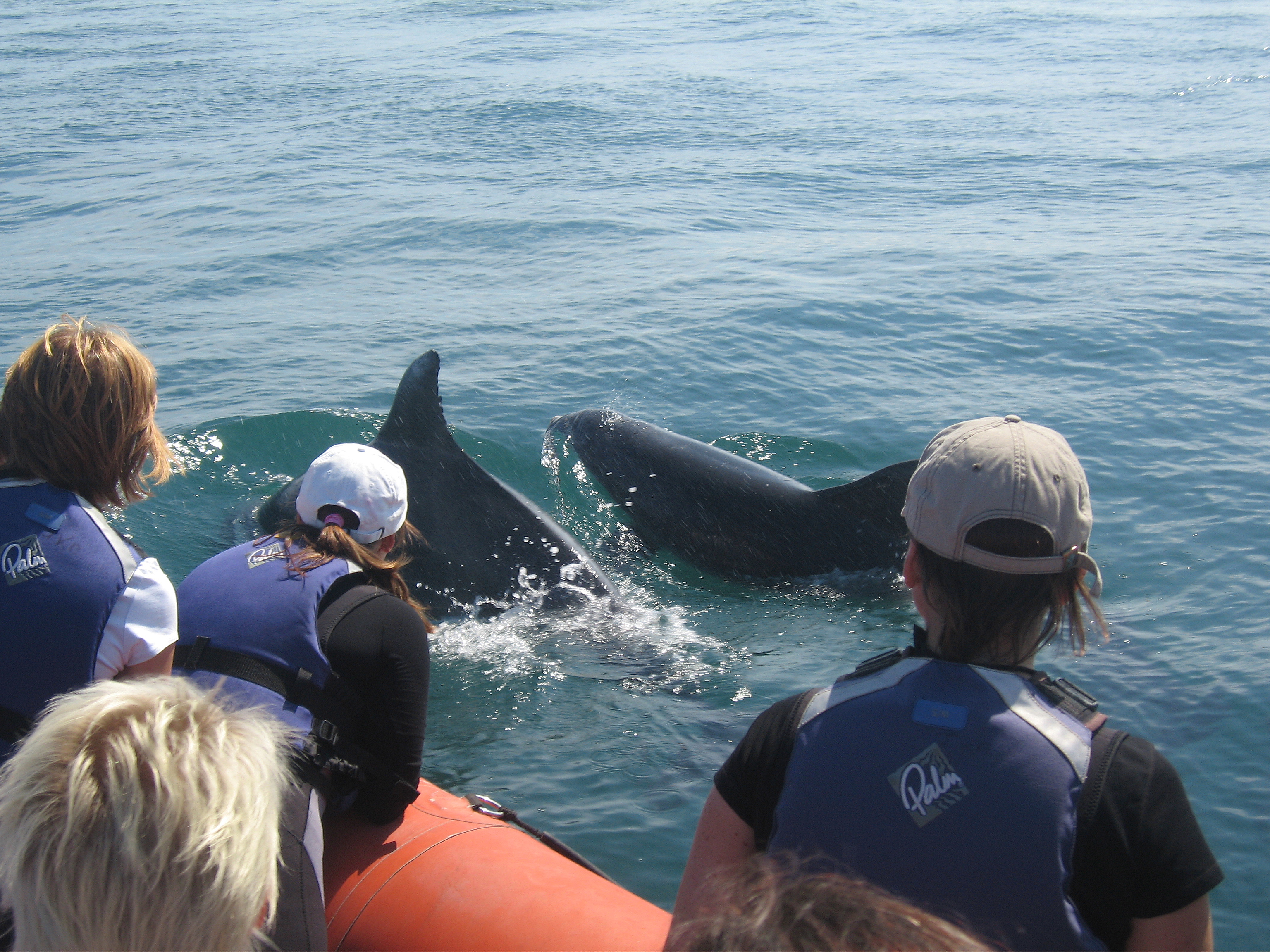
Slow down. Let the dolphins choose if they want to come to you.
The sea kayak offers a fantastic platform to see sea birds, seals, and even whales and dolphins in their natural habitat. To experience the nature of the sea at such close quarters is a fantastic privilege, but like all privileges, it carries a responsibility.
In our enthusiasm to see wildlife, we can accidentally cause disturbance without realising it. Learning more about it is an excellent way to minimise our impact on coastal and marine life. Knowing the breeding season of birds and seals, for instance, will help us to avoid getting too close when they are most sensitive to our presence.
A good principle is: If the wildlife appears agitated, you are too close.
Signs of disturbance
Wing flapping in situ, head craning, head-turning, and head bobbing. Move further out if you see these signs to avoid causing a mass exodus of birds.
Seabirds

There are now very few Puffins left on Jersey.
Cliff-nesting sea birds such as Guillemots, Razorbills and Kittiwakes are most vulnerable when the adults hatch the eggs and foster their young chicks. If they are suddenly scared from the ledges, they may lose their young, which may fall or be taken by predators.
The sea bird breeding season in Jersey is between the 1st of February and to 15th of July when sea birds come ashore to nest. Sensitive sites include cliffs and caves. The vulnerable time is mid-May to early July. Move by quietly and steadily so as not to panic the birds.
Puffins: Puffin numbers have fallen sharply in Jersey. Rats and land-based disturbance seem to be the principal cause coupled with changes in the food supply.
A voluntary stay-clear zone operates from Greve de Lecq to Plemont during the Puffin breeding season. However, fishing craft and local shotgun clubs are allowed to continue using the area, so disturbance continues. Sadly the numbers continue to decline, and in 2022 just eight puffins were nesting in Jersey. Sea bird protection zone Plemont to Greve de Lecq.
Terns: On the South coast of Jersey, the rocks between Green Island and Le Hocq often have Terns nesting. Try to stay clear of these.
Special Bird Habitats
Shingle shores: Terns, ringed plovers and oystercatchers all nest on shingle beaches. Care should be taken not to disturb nesting birds on these sites between early May and early July. The eggs and chicks are very well camouflaged against the shingle and are easily trodden underfoot.
Avoid the West end of the shingle beach at Les Écréhou (by the flag pole on Blanche Ille) due to the Tern nests. Seabird Protection Zone Les Ecrehous.
Sand dunes: Take care during stops not to damage vegetation, which is important for stabilising dunes and helping them grow. Avoid open fires, which damage the dry vegetation.
Seal colonies
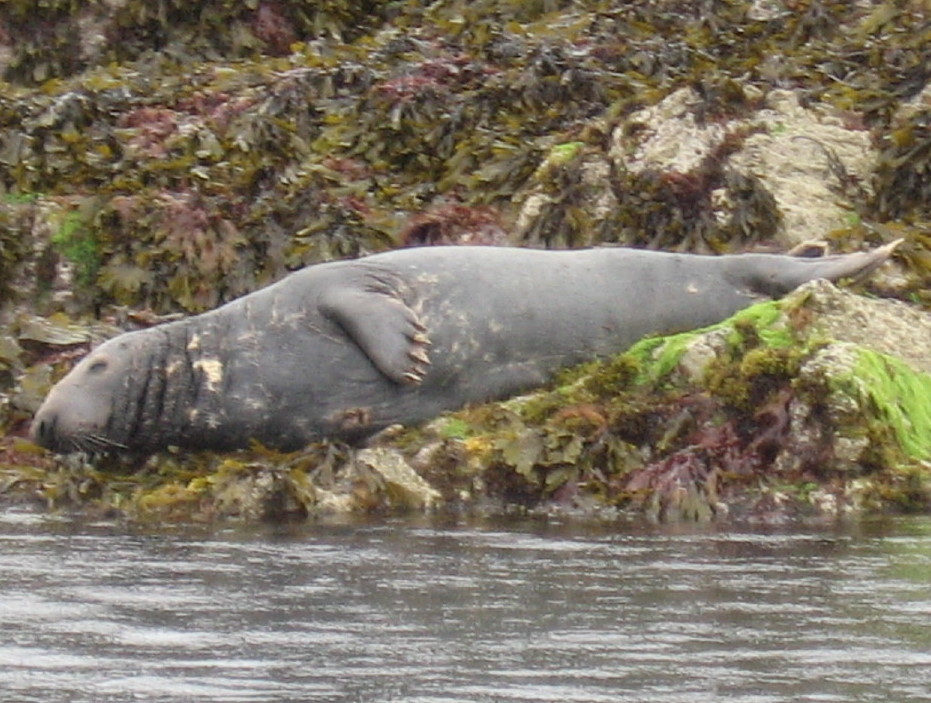
Avoid disturbance by paddling quietly by and staying clear.
Avoid beaches with small pups on them, as a sudden disturbance can lead to pups being squashed in the panic or separated from their parents, who may be unable to find them afterwards.
Never feed seals. In the past, some boat owners have fed Seals at Les Écréhou; as a result, they can be seen in the main lagoon.
There are small seal colonies at les Écréhou around la Sabloniére rocks, les Minquiers and near La Conchiére off the south-east coast of Jersey. Take care when sea kayaking in this area to reduce disturbance.
General Guidelines
On the water
● Be aware of the breeding seasons of birds and seals.
● Try to avoid panicking breeding seabirds into flight.
● Stay 50m out from seabird breeding colonies.
● When leading a group of paddlers, brief your group on the procedures you plan to use to avoid disturbance.
On land
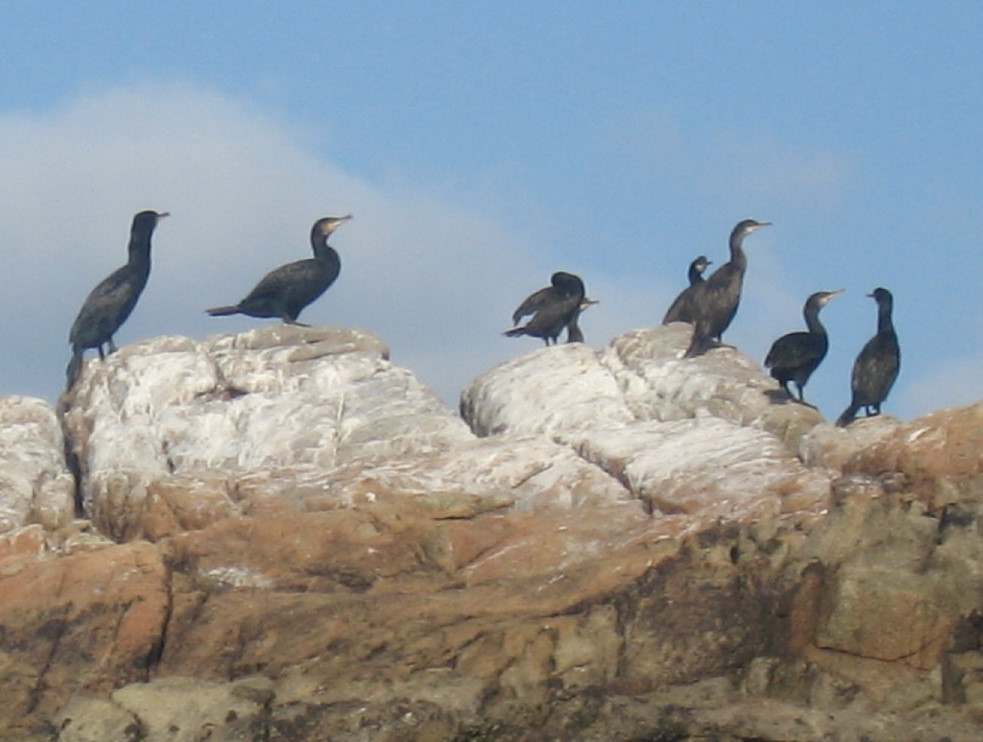
Observe bird life from the kayak. Phalacrocorax aristotelis (Shags)
● Think about your actions on land as well as on the sea.
● Be aware of puffin burrows, and avoid getting too close or walking over them.
● Never land on a beach with a colony of breeding seals, except in an emergency.
● On sand dunes, always look and listen for birds and carry kayaks rather than dragging them.
● Consider your possible impact on wildlife when camping.
A tidy countryside
● Be careful with your toilet hygiene. Do not urinate within 30 metres of fresh water, and dig a hole to bury your excrement. Burn toilet paper if safe to do so.
● Do not leave behind any food scraps, as these attract scavenging animals and birds.
● Do not burn cans or plastic. Take out all your litter for proper disposal.
● Become involved in Adopt-a-Beach schemes and Beachwatch litter-picking events. Contact the Marine Conservation Society for details.
● Try to leave the countryside tidier than you found it.
● Enjoy the outdoor environment, and ensure that your actions do not detract from the enjoyment of those who follow you.
For a more detailed guide that includes observing marine mammals around Jersey and Dolphin identification in Jersey, click here.
Jersey Marine and Coastal Wildlife Watching Code. Good practice for sea kayakers and other water users around Jersey. The code also gives wildlife and marine life information.
UK guidelines: https://www.nature.scot/guide-best-practice-watching-marine-wildlife-smwwc-part-2
British Canoeing has also developed an Environment & Sustainability module.
Staff training and awareness
As part of our staff training, all our key staff have attended Wildlife Safe (WiSe) courses.
We have also invested in our staff to enable them to gain the Jersey Tourism Bronze badge Guide award.
EcoActive Jersey Leader award.